


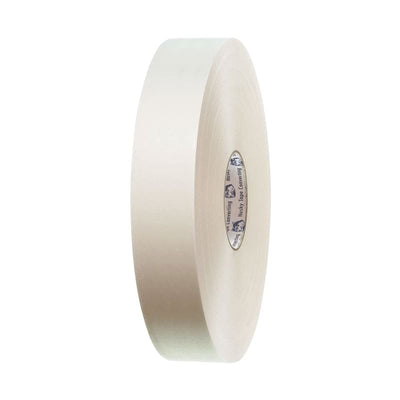
Double Sided Foam Tape
7 products available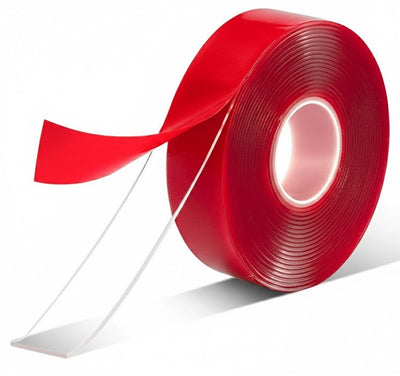
Bestseller
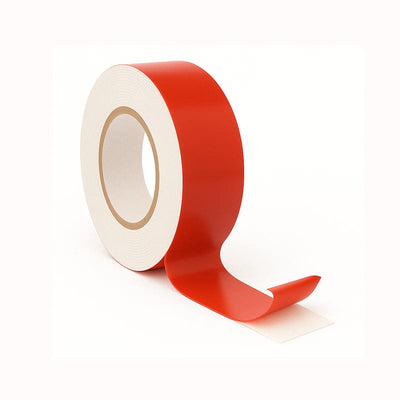
Bestseller
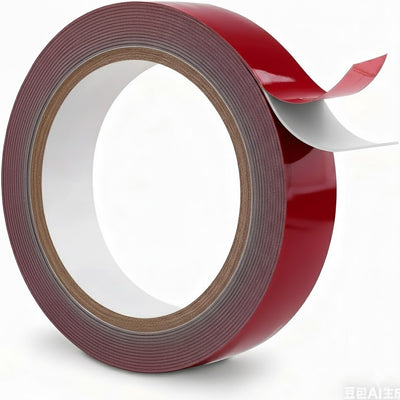
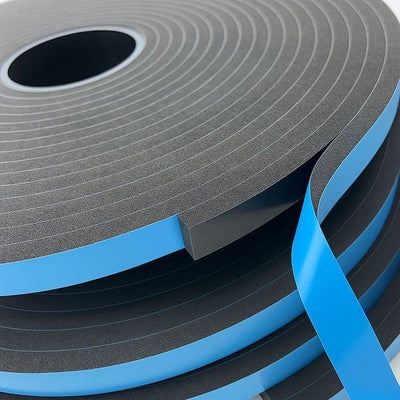
Closed Cell Glazing Tape
For glazing spacing, sealing & thermal separation
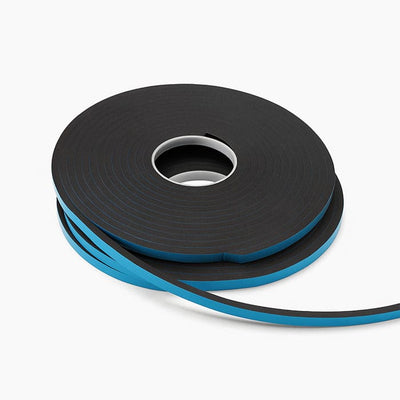
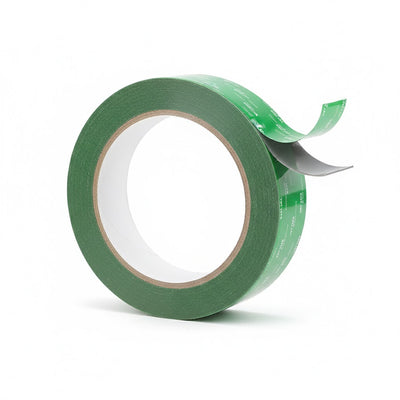
Structural Glazing Spacer Tape – Open Cell
For structural silicone glazing
Double sided foam tape is an effective solution for mounting and bonding applications that require flexibility between the surfaces, an alternative to screws, rivets and other fasteners that leave visible marks on the surfaces. The foam helps cushion the joint and can accommodate minor surface variation.
We stock PE foam tape, high bond acrylic foam tape and specialist glazing foam tape in various widths, thicknesses and colours.
Which Double Sided Foam Tape Do I Need?
For general mounting, PE foam tape is a practical choice for signs, nameplates, trims, displays and assembly work.
For stronger, longer-term bonding, explore our Ultra High Bond Acrylic Foam Tape range for metal, glass, panels, signage and automotive components.
For glass and glazing applications, browse our Glazing Tapes range for structural glazing and spacing requirements.
What to Consider Before Choosing
Think about the surfaces being joined, required bond strength, foam thickness and operating environment. PE foam can be used for a variety of general mounting applications, and acrylic foam is useful for more challenging bonding applications.
Common Applications
Signs and nameplates, shopfitting, automotive trims, metal and plastic parts, decorative panels, glazing, manufacturing and general assembly are just some of the most common applications for double-sided foam tape.
Need adhesive on one side only? Browse our Single Sided Foam Tape range or view the complete Foam Tape collection.
For Excellent Adhesive Results
Apply double sided foam tape only on a clean, clear and dry surface. It should be free from dust, oil and grease. Put a firm and even pressure across the full bonding area to maximise adhesive contact. For critical applications, test the tape on the intended materials before installation.
FAQs
It’s used to attach or join two surfaces, where cushioning, flexibility or gap filling is essential.
The foam layer may be used to some extent to help conform to minor surface variations and to provide a better bond between bonded materials. Highly irregular surfaces or extremely rough surfaces might need another adhesive solution.
Some products can. Check the individual product specifications before exterior use.


