06 June 2024
Patient Safety First: The Role of Marking in Healthcare Facilities
The proper markings assist in preventing accidents and streamlines the operation of the facility by helping patients navigate through complex facilities,
Patient safety is an important step in health care facilities. Good and clear markings create a safe environment for the patients and the staff.
The proper markings assist in preventing accidents and streamlines the operation of the facility by helping patients navigate through complex facilities, indicating the emergency exits and the hazards.
This blog will discuss the types of healthcare markings, its applications and how it adds to a safer and more efficient environment in any healthcare setting.
The Importance of Markings in Healthcare Facilities
Health Care facility is a busy place with a lot of rooms, corridors, special areas etc. There are several reasons why proper markings need to be made:
- Navigation and Wayfinding: The facility features clear markings to guide patient and visitor through the facility, providing less confusion and stress. This is particularly important in large hospitals with many departments.
- Safety and Hazard Identification: Appropriate markings point out potential hazards such as wet floors or restricted zones so that both staff and patients are aware of the potentially hazardous areas to avoid.
- Compliance with Regulations: Strict safety and accessibility regulations have to be followed by the healthcare facilities. These standards are met by proper markings, and fines are avoided.
- Efficient Workflow: Work areas and pathways are marked off with markings for streamlining movement and limiting the chance of an accident in busy environments.
Types of Markings in Healthcare Facilities
Throughout a healthcare facility, there are different types of markings used for different purposes.
Floor Markings
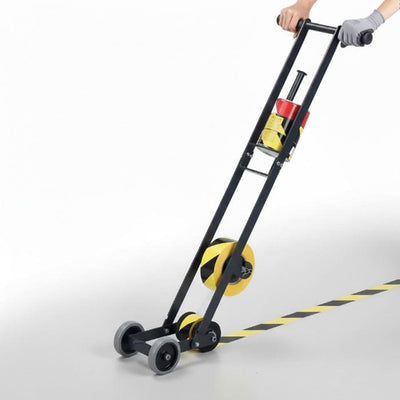
- Wayfinding Arrows: Direct patients and visitors to various departments, rooms, and facilities through reflective tapes in Australia.
- Safety Zones: Special attention can be directed to highlight areas that need more caution, near the machinery or hazardous materials.
- Social Distancing Markers: Give safe distance to keep, especially at waiting areas or waiting lines.
Wall and Door Signage
- Room Identification Signs: Guide patients and staff, clearly label each room to guide them, following easy navigating the facility.
- Emergency Exit Signs: Make sure to stratospherically mark all emergency exits and evacuation routes to be able to quickly and on the safe way evacuate in case of emergency.
- Hazard Warnings: Prominent signage makes it easy for both staff and patients to know exactly where to go for specific hazards; that is, radiation zones, biohazard areas, among others, in order to guarantee its safety.
Reflective Markings
- Emergency Equipment Indicators: Highlight the locations of the most essential emergency equipment, namely fire extinguishers, defibrillators and first aid kits, and make them readily available in the event of an emergency.
- Exit Routes Visibility: Make sure exit routes are readable even under difficult lighting conditions or in case of a power disruption.
Colour-Coded Markings
- Colour-Coded Markings: Distinguish between different zones, e.g. surgical area, patient care and administrative offices using different colours that aid organisation and clarity.
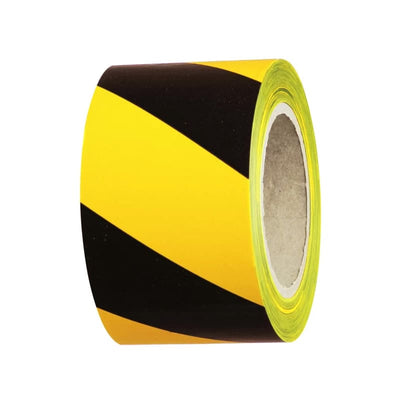
- Pipe and Cable Markings: Use colour coded tapes and labels such as yellow caution tape to label and identify pipes, cables and faced utilities for purposes of maintenance and emergency repairs.
Applications of Markings in Healthcare Settings
Markings can make an effective difference in the safety, and efficiency of healthcare facilities.
Patient Navigation
Corridor Directional Arrows: For patients and staff, clear arrows and directional signage direct them to their destinations and lower the chance of becoming disoriented.
Floor Maps: Floor maps strategically located at the facility’s key places provide an easy to read overview of the facility which aids wayfinding and navigation.
Emergency Preparedness
Evacuation Routes: In case of emergencies, well marked evacuation routes and exits lead to a quick and safe evacuation.
Emergency Equipment Access: Clear reflective markings show spots of life saving equipment such as fire extinguishers and defibrillators for immediate access in critical situations.
Infection Control
Isolation Zones: Signs specifying isolation areas are put up to minimise the spread of infectious diseases while ensuring safety for all.
Hand Hygiene Stations: Signage and floor markings tell staff and visitors where to find the hand sanitising stations which are an important part of the practice.
Workplace Safety
Hazardous Areas: Hazardous zones are marked with prominent markings, thus lowering the risk of coming in contact with dangerous materials and surroundings.
Safe Walkways: Pedestrian walkways, designated where foot traffic is separate from the equipment and machinery, reduces the dangers of accidents greatly.
Best Practices for Implementing Markings
Best practices for the use of markings in healthcare facilities can include:
- Use Durable Materials: Select high quality, long bay materials that can stand up to the demands of a healthcare setting. It includes resistance to cleaning agents and lots of walking foot traffic.
- Maintain Visibility: Make sure that all markings are very visible and easily identifiable. Contrasting colours and reflective materials should be used where necessary.
- Regular Maintenance: Conduct regular inspections and maintenance to ensure that markings remain clear and intact. Replace worn or damaged markings promptly.
- Compliance with Standards: Ensure that all markings comply with relevant health and safety regulations, including accessibility standards.
- Staff Training: Educate staff on the importance of markings and how to interpret them correctly. This ensures that everyone in the facility understands and adheres to the safety protocols.
Conclusion
Markings are an essential component of maintaining a safe and efficient healthcare environment. From guiding patients and visitors to ensuring quick access to emergency equipment, the strategic use of markings can significantly enhance safety and streamline operations. By following best practices and choosing high-quality materials, healthcare facilities can ensure that their markings remain effective and compliant with regulations. At My Tape Store, we offer a wide range of marking solutions like yellow reflective tape tailored to the unique needs of healthcare settings. Explore our adhesive tapes collection today and discover how our products can help you create a safer, more efficient healthcare facility.