High-Temperature Insulation Solutions for Electrical Items
This is because it negatively affects device reliability, operation stability, and lifetime duration.

In this guide
Modern technological progress makes electronic devices compact with heightened power and operational efficiency. The heat produced by modern devices while generating this performance becomes a significant challenge.
This is because it negatively affects device reliability, operation stability, and lifetime duration.
High-temperature insulation solutions are essential for managing heat because they protect electronic components from operational failure when operating in demanding conditions.
We will examine different high-temperature insulation solutions for electronics, their specific uses, advantages, and recent developments in this field.
Introduction to High-Temperature Insulation for Electronics
Electronic systems, including smartphones and laptops as well as industrial machinery and automotive systems, heat up while operating. This happens because electricity flows through their components. Electrical components start to degrade when operating temperatures reach unsafe levels. Heat levels that exceed safe limits cause degradation in electronic components. They result in worsened operational performance, augmented power usage, and component death before planned retirement. The main role of high-temperature insulation materials is to block heat transfer, thus protecting electronics against thermal stress and ensuring system operational efficiency. Kapton tape spreads across many applications because it demonstrates top-level thermal stability and exceptional insulation properties.
Types of High-Temperature Insulation Materials
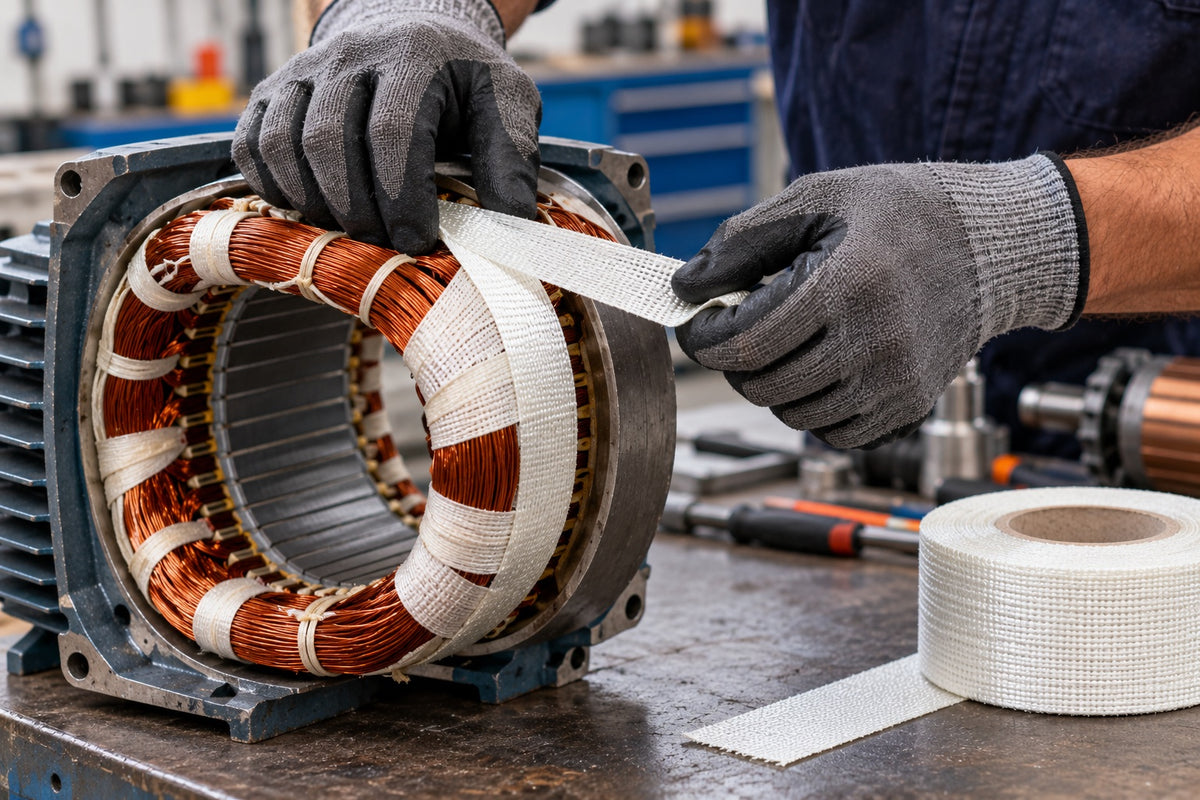
Various high-temperature insulation materials exist for electronics applications, which bring different properties that benefit electronic systems.
Ceramic Fibre
Ceramic fibre insulation is known for exceptional thermal resistance. The material demonstrates suitable usage for hot temperature environments. Its main usage is found in industrial furnaces as well as kilns and high-temperature electronic components.
Silicone Rubber
Excels as an insulation material because it maintains high heat resistance while being lightweight and flexible. The substance provides perfect performance for both electrical insulation and thermal protection tasks.
Mica
Mica functions as an insulation material when used for applications that require both strong electrical insulation qualities and excellent temperature resistance properties. It is critical because it supports electrical insulation and thermal tasks combined within applications.The insulation material finds regular application in heating elements, electrical motors, and power distribution frameworks.
Graphite
Applications need efficient heat dissipation, and thermal management can benefit from using graphite insulation. This is because it provides high thermal conductivity and temperature stability properties. The material is used in electronic cooling applications, heat sinks, and thermal interface materials.
Butyl Tape
The electrical insulation qualities of butyl tape comprise excellent sealing properties and high-temperature resistance, which enables many uses in electronic applications.
Applications of High-Temperature Insulation in Electronics
Electronic devices and systems need versatile high-temperature insulation solutions in their various uses.
Power Electronic Devices
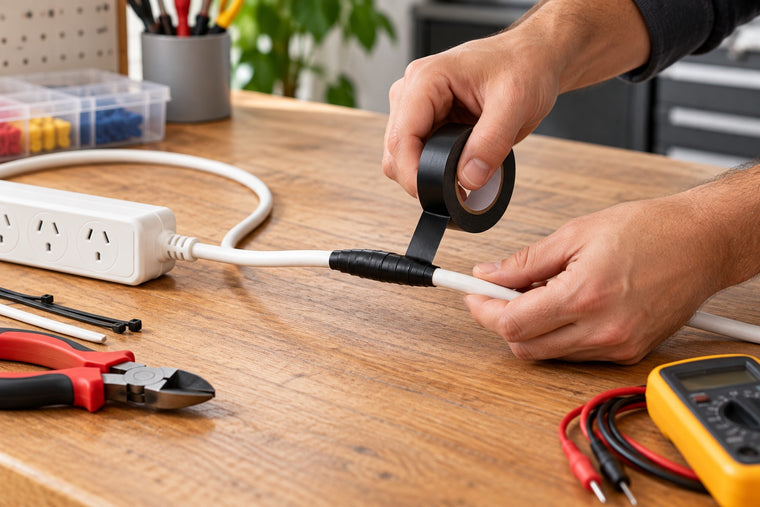
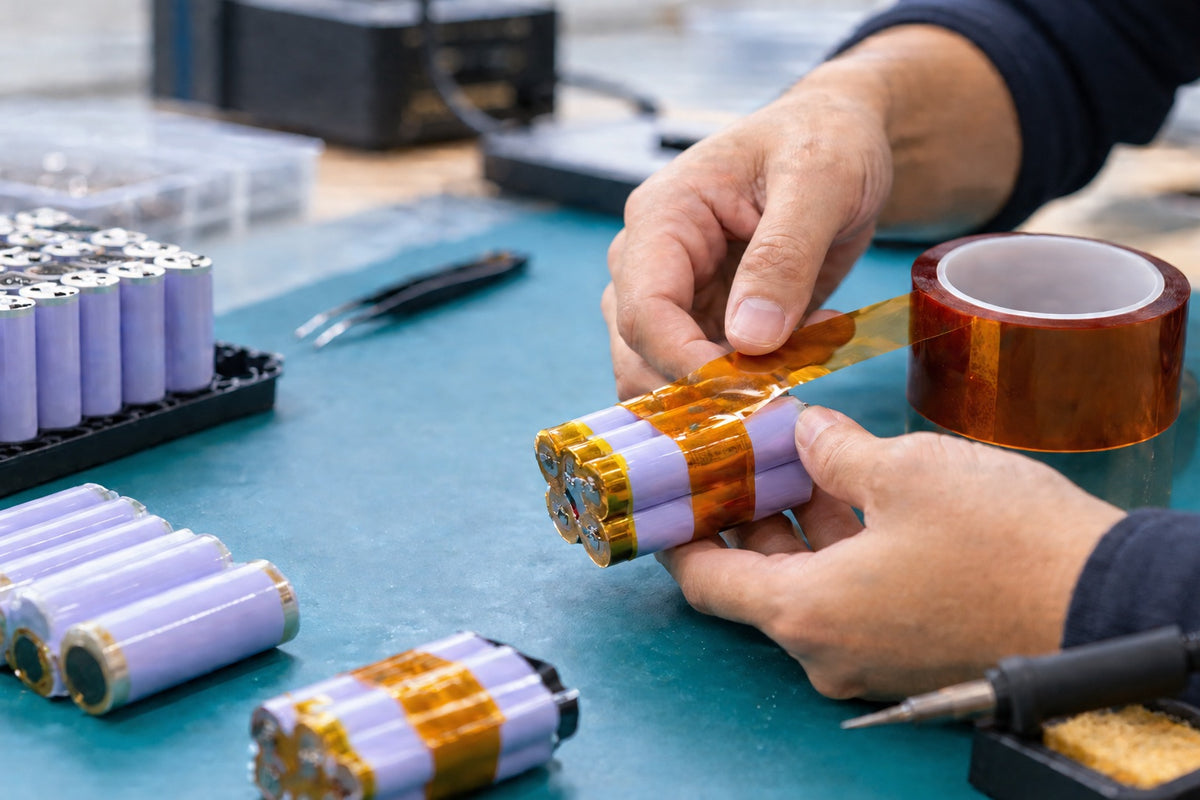
High-temperature insulation materials like polyimide Film or kapton tape guard power electronic devices, including inverters, converters, and rectifiers. They protect semiconductor elements from thermal strain and maintain reliable operations under elevated temperatures.
Automotive Electronics

The protection of automotive electronics operating in engine compartments and other high-temperature environments depends on high-temperature insulation. This aids in preserving operational capabilities. Also, it ensures the lifetime performance of electronic control units (ECUs), sensors, and actuators.
Defence Electronics
Military defence systems and components installed in extreme temperature environments require high-temperature insulation materials to guarantee essential electronic equipment reliability and operational safety in harsh conditions.
Industrial Electronics
High-temperature insulation solutions protect electronic control systems and sensors inside industrial plants, refineries, and power plants. They defend against heat and moisture effects. The insulation materials act as protection shields from environmental pollutants.
Benefits of High-Temperature Insulation for Electronics
Electronic devices and their systems gain several crucial advantages by adopting high-temperature insulation solutions for implementation.
Reliability
The performance reliability of electronic components increases because high-temperature insulation materials enable proper heat management. Consequently, they reduce premature failure events.
Operational Efficiency
High-temperature insulation materials raise operational efficiency by saving energy. The usage of such materials creates multiple savings benefits for power consumption and operational costs.
Protection
The protective quality of high-temperature insulation extends equipment operating life because insulation defends against environmental threats, heat exposure, and moisture. The devices experience less probability of failure and need less maintenance because of these protective solutions.
Safety Compliance
Safety compliance becomes maintainable through electronic systems due to their temperature-resistant insulation materials with flame-retardant properties. They provide preventive measures against fires and ensure proper electrical safety standards.
Emerging Trends in High-Temperature Insulation for Electronics
Technology development drives parallel changes in high-temperature electronics insulation due to market demand. Some emerging trends include:
Superior Materials
Researchers use advanced research to develop superior materials for insulation properties through their work. Modern insulation requirements demand high-heat tolerance, low thermal conductivity, and strengthened mechanical properties.
Nanotechnology
Researchers use carbon nanotubes and graphene nanomaterials for developing high-temperature insulation systems through their scientific investigations. Such materials present unique capabilities when it comes to thermal conductance, mechanical flexibility, and chemical stability.
Multifunctional Investigation
Materials’ research targets the creation of thermal-managing insulation with multiple purposes, including electromagnetic protection and self-repair ability for modern electronic products requirements.
Miniaturisation
High-temperature insulation systems offer reliability features and optimal performance specifications for compact electronic devices within the increasing trend of miniaturisation.
Conclusion
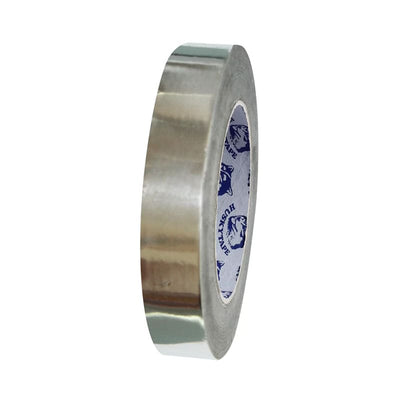
Electronic devices operate smoothly at locations requiring high performance because high-temperature insulation solutions protect their operational performance and reliability. The insulation substances reduce the thermal strain on electronic parts. They minimise their total heat accumulation to shield critical elements while enhancing energy consumption efficiency and device durability. Progressive electronics engineering needs will find their solutions through material science advancements and technology developments. This indicates tailored insulation technologies are likely to advance in the future. The electronics industry increasingly uses aluminium foil tape as its main heat reflection and electrical conductivity material.
Insulation systems handling elevated temperatures maintain essential functions in modern thermal management for electronics because they provide advantageous operations for electronic devices under diverse operational needs. Each advancing advance in electronic technology drives up the necessity for high-temperature insulation solutions, prompting scientists to advance research in this essential area.