29 May 2024
Compliance with Safety Regulations: OSHA and ANSI Standards
These regulations must be followed to protect the employees and avoid expensive penalties.
Organisations such as Occupational Safety and Health Administration (OSHA) and American National Standards Institute (ANSI) have stringent safety regulations to which they tie along with the safety of the workers.
These regulations must be followed to protect the employees and avoid expensive penalties.
In this blog post, we will discover how safety or directional tapes help us in adhering to OSHA and ANSI standards to create a safe and compliant work environment.
Understanding OSHA and ANSI Standards:
Occupational Safety and Health Administration (OSHA):
- Mandate: The United States Department of Labour has mandated an agency known as OSHA, which it established, to ensure safe and healthy working conditions for its employees. The main intention is to stop work-related injuries, diseases, and deaths by enforcing rules and regulations.
- Standards: OSHA standards include hazard communication, personal protective equipment (PPE), electrical safety, machine guarding, and in fact a wide range of topics associated with workplace safety. These laws are legally enforceable and apply to a large majority of employers and employees in the private sector of the United States.
- Enforcement: OSHA inspects, issues citations for violations, and imposes penalties for noncompliance to unsafe regulations. In the OSHA standards, employers have to train, keep records, and develop safety programs to ensure that safety standards are met.
American National Standards Institute (ANSI):
- Mandate: ANSI is a private organisation and a non profit organisation that sets voluntary consensus standards in the US. Its mission is to benefit European competitiveness, contribute to European safety and enhance European innovation through standardisation.
- Standards: ANSI develops and publishes voluntary standards in collaboration with industry stakeholders, government agencies, and those in other organisations. Even though these standards are for various fields such as construction, manufacturing, telecommunications, healthcare, etc. ANSI standards cover product specifications, performance criteria, testing methods and safety practices among others.
- Recognition: ANSI standards are voluntary, but are commonly accepted and adopted by regulatory agencies, industry associations and business as the means to achieve quality, safety and interoperability. The government OSHA regulations often reference ANSI standards as a benchmark of compliance.
Significance of OSHA and ANSI Standards:
- Safety and Health: It is important to control the safety and health of workers in different industries using OSHA and ANSI standards. These standards set clear guidelines and requirements for a workplace in order to be safe and reduce accidents, injuries and illness, lowering healthcare costs and saving lives.
- Legal Compliance: Most employers in the United States are legally required to comply with OSHA standards and ensure the workplaces are up to minimum safety standards and regulatory obligations. ANSI standards are voluntary, however, they are accepted industry standards for quality and safety by allowing a product to perform better and locally in a market.
- Industry Best Practices: The OSHA and ANSI standards incorporate current technology, research, safety science and the industry best practices. Adhering to these standards helps organisations prove their desire for excellence, innovation and continually improvement in the safety and operations of the workplace.
Compliance with OSHA and ANSI Standards Using Safety Tapes:
Safety tapes are essential to meeting OSHA and ANSI standards especially in the following areas:
Hazard Communication:
OSHA’s Hazard Communication Standard (29 CFR 1910.1200) requires employers to present available literature and other relevant information in a clear and understandable fashion about chemical hazards in the workplace. If used properly, these colour coded tapes aid in the identification of where hazardous areas are, chemical storage locations, etc.
Floor Marking
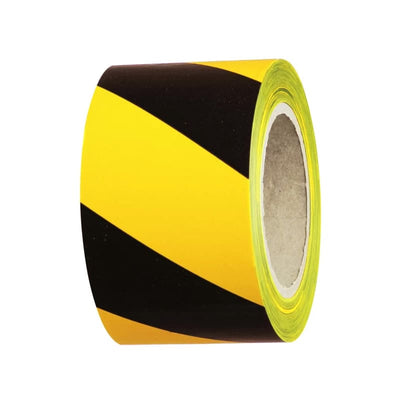
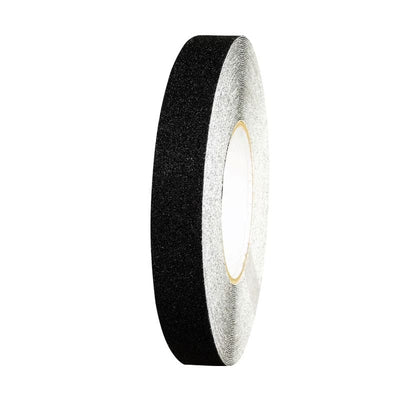
OSHA’s Walking Working Surfaces Standard (29 CFR 1910.22) requires that all walkways and working surfaces must be marked to distinguish safe walking areas from potentially hazardous and escape routes areas. It is well known that ANSI has standards, such as ANSI Z535, for safety colours and floor marking. These requirements are met by safety two sided tapes that come in bold colours and high visibility designs to clearly mark pathways, storage areas and other designated zones that can be safely protected with the use of anti slip tape.
Emergency Preparedness
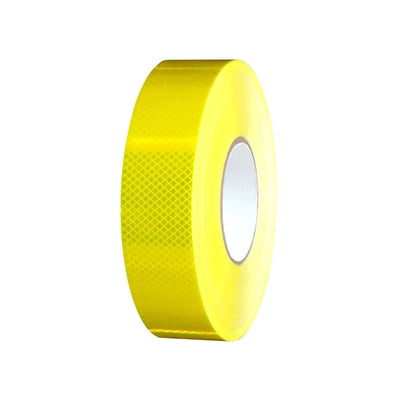
In terms of emergency preparedness and evacuation procedures, both OSHA and ANSI standards reaffirm the necessity for the same. Employers must provide exit routes clearly marked and free of obstruction according to OSHA’s Exit Routes Standard (29 CFR 1910.36). Safety or PVC tapes that contain reflective or glow in the dark properties help to meet these requirements by marking emergency exits, escape routes, and assembly points, so that during evacuations it is more visible.
Best Practices for Compliance
To comply with the OSHA and ANSI standards when using adhesive workplace tapes, best practices are as follows:
Choose Compliant Tapes
Choose tapes online based on colour, visibility, and durability which conform to OSHA and ANSI standards. Only look for tapes that are specifically designed for hazard identification, floor marking and emergency signage use.
Install Tapes Properly
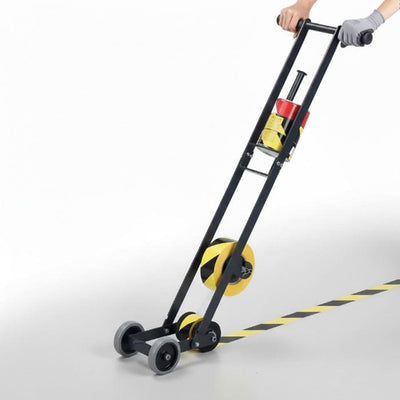
Strips or tapes must be installed according to manufacturer guidelines and securing to clean, dry surfaces. Good installations such as surface preparation and edge sealing will ensure that tape remains intact and effective over time.
Conduct Regular Inspections
Check marking tapes for wear, damage, or detachment regularly. Keep damaged or worn-out tapes out to maintain compliance and workplace visibility.
Provide Employee Training
Educate employees on (1) the significance of these tapes, (2) the role of these tapes in zone identification and hazard identification and (3) the proper step they should take once they recognise and respond to these safety markings. Training gives employees a chance to become involved in ensuring their own and others’ safety as well as a compliant work environment.
Conclusion:
Safety workplace tapes are pieces of equipment that allow compliance with OSHA and ANSI and provide the tool for hazard communication, marking floors and safety in the workplace. Organisations can create a safer work environment without impacting regulatory requirements by selecting compliant tapes from My Tape Store, installing them properly, conducting regular inspections, and providing employee training. Keep in mind, however, that the regulations concerning safety are not only a legal obligation; it’s a pledge to ensure that they live safely and well, creating an atmosphere of safety and good.