EU Pushes for Mass-Balance Sustainability in Adhesives
The European Union is moving ahead to make glue and other sticky stuff greener. They are looking at a method called “mass-balance.” This is a way to slowly
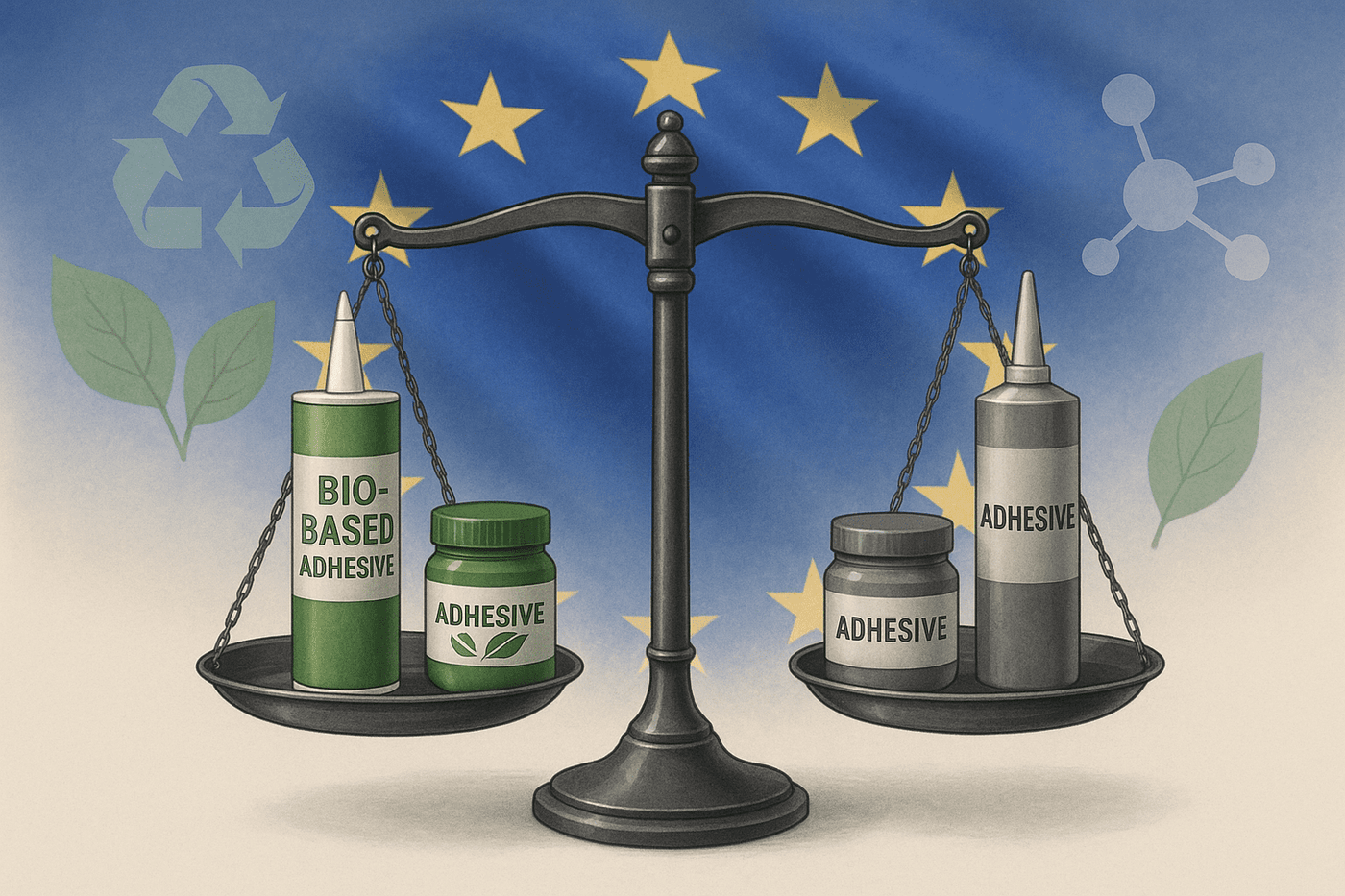
The European Union is moving ahead to make glue and other sticky stuff greener. They are looking at a method called “mass-balance.” This is a way to slowly swap fossil ingredients for better, earth-friendly ones. The goal is clear: make adhesives more planet-kind without big changes to factories.
New EU Rules Aim to Boost Plastic Recycling and Cut Waste
Europe uses a lot of plastic and chemicals. Not all of it is easy to recycle. The EU is interested in cutting down on waste and in encouraging recycling. The Single-Use Plastics Directive should require more recycled plastic in daily products. Now, the EU wants to include a clear method to count chemical recycling, too. Mass balance is a key part of that plan.
In early July 2025, the EU asked for feedback on new rules. These rules guide how to count chemically recycled content in items like plastic bottles. They also exclude plastic burned for fuel from counting as recycled. This helps firms plan better and invest in the right technology.
What Is Mass-Balance?
Mass balance is like sharing a cake fairly. Imagine mixing two kinds of ingredients, one from fossil sources, one from better, green sources- in one big bowl. You can’t tell the parts apart, but you keep track on paper. You say, “This much cake came from green stuff.” That is mass-balance.
Big companies like Evonik, Henkel, Covestro, and H.B. Fuller use it. It lets them use green materials without changing their factories. They get a trusted certificate, like ISCC PLUS, to show how much green feedstock they used.

Numbers That Show the Change
| Fact | Number |
| EU plastic recycling rate (2024) | ~26.9% |
| Increase in EU incineration since 2018 | +15% |
| Chemical recycling capacity goal(U.S. & EU sites) | ~500,00 metric tons/year |
| Plastic waste processed by ExxonMobil since 2022 | ~45,000 metric tons |
These numbers show two things: Europe still burns too much plastic and recycles too little. But chemical recycling (and mass-balance) can help change that.
What Industry Wants
Thirty-one trade groups wrote a letter to the EU. They ask for clear rules on how to count and verify recycled content using mass balance. They say it helps investment and more recycling. And they do not want fuel use counted as recycling.
These groups include makers of chemicals, plastics, packaging, and construction materials. They want legal clarity now, not later. That is so plants can invest with confidence.
How Mass-Balance Helps
No factory rebuilds — You can mix green and fossil ingredients in current lines. No big cost.
Better carbon footprint — You cut CO₂ by using more renewables.
Same quality — Products work like always, but are greener.
Trust via certificates — ISCC PLUS and similar verifiers tell customers what is real.
This is like a gentle switch. It keeps the work smooth and still lets the planet breathe better.
My Tape Store: Small Steps Toward Sustainable Adhesives
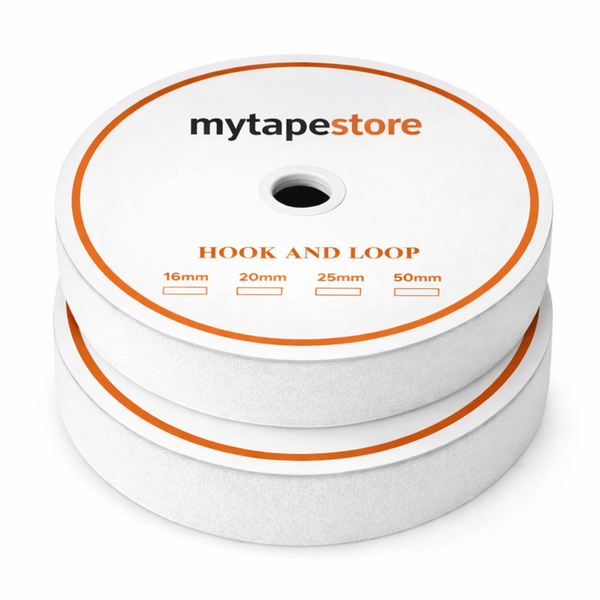
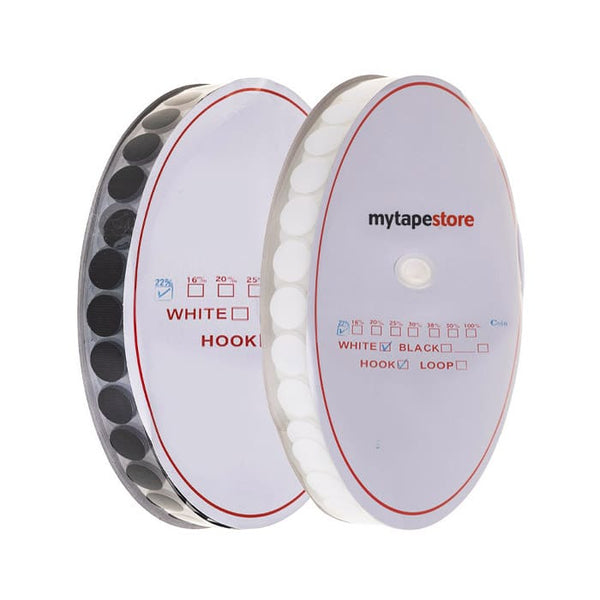
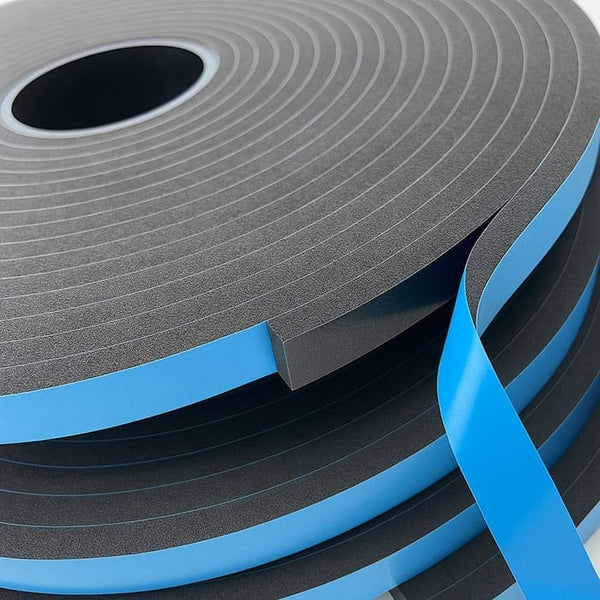
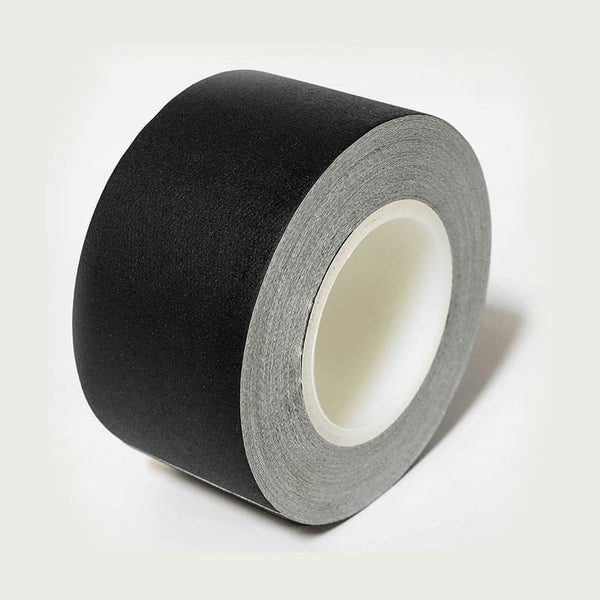
There is a adhesive tape store in Australia called My Tape Store. They sell many kinds of tape, for home, work, and fix-ups. They may not make glue, but they can support the mass-balance idea in a small way.
My Tape Store already values clear product info. Shoppers see what each tape is for. They can choose strong packing tape, repair tape, or special tape. Now, if they start stocking tapes that are made with more earth-friendly ingredients, maybe those using mass-balance adhesives, it would match the EU trend. Without heavy words, they could note: “One option uses more recycled glue at the same strength.” That quiet note tells customers: “We care.”
Steps for Small Sellers
Watch for labels — Look for tapes or adhesives with mass-balance or ISCC claims.
Share simple notes — Ask suppliers: “Is this greener?” Show it on your shelf.
Test and track — Use eco-tapes, see how they sell. A small note can make a big trust.
It brings small shops closer to bigger sustainability goals in their own way.
What’s Next in the EU
Right now, the EU is collecting feedback until mid-August 2025. Later in autumn, they will vote on the final rules. If adopted, many sectors, not just plastics, can use this mass-balance method. That includes adhesives, construction, electronics, and more.
From Small Stores to Big Goals: How Mass Balance Helps
Mass balance is not magic. It is a simple idea: mix green with old, keep the count, and move forward. It helps reduce fossil use, without big cost or quality loss. Consumers get products they trust. Makers get a path to greener work. And the EU moves closer to recycling goals.
Even a small tape store in Australia can join by choosing clearer, kinder items. Step by step, everyone builds a circular path.
References
EU public consultation on chemically-recycled content rules (Jul 2025)
ExxonMobil and mass-balance plus EU recycling data